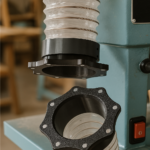

PLA
Biodegradowalny, z surowców roślinnych. Sztywny i stabilny wymiarowo — do wszystkiego, co nie grzeje się i nie leży na słońcu.
Napisz z modelem — dopasujemy z katalogu albo zaprojektujemy od zera.
szybka wysyłka z Krakowa
Szybkie płatnościPayUPrzelewy24KlarnaBLIKApple PayGoogle Pay
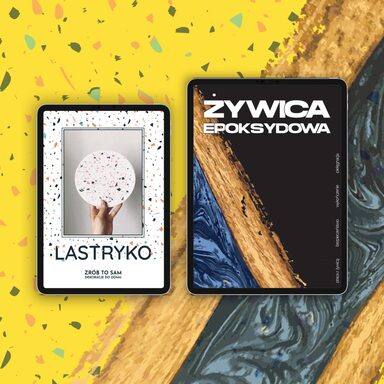
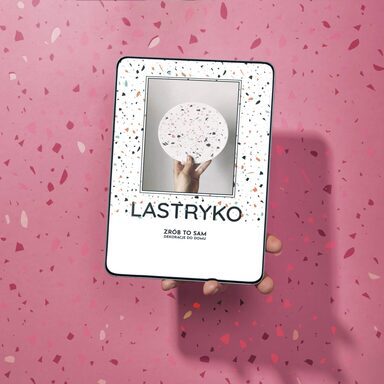
Dostępne opcje zobaczysz przy finalizacji zamówienia.Create your own decorations Lastryko!
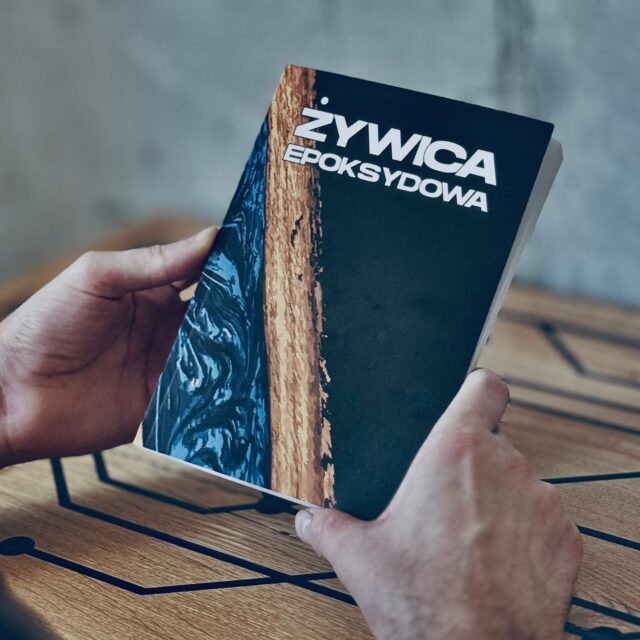
The guide is ideal for beginners, or anyone who wants to explore this new art further. Our guide contains all the information that is necessary to make, for example, stands, trays, pots made of polymer gypsum.
Polymer plaster is an ecologically safe alternative to resin. It is easy to use, you can work with it in many different projects to achieve stunning end results. It can be mixed with other materials such as pigments, ink, metal fillers, and even coffee for a unique finish. The possibilities are endless! It all depends on you how you use your imagination.
Create your own stylish home decorations with our guide.
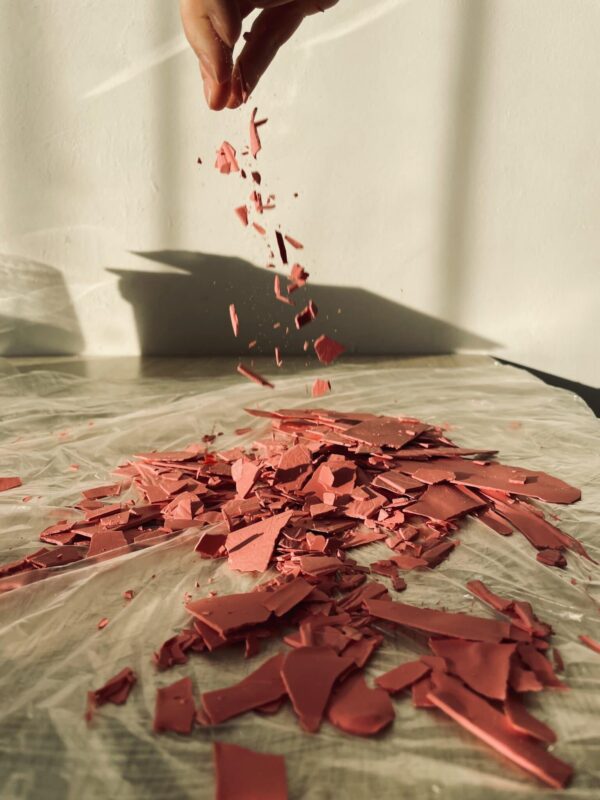
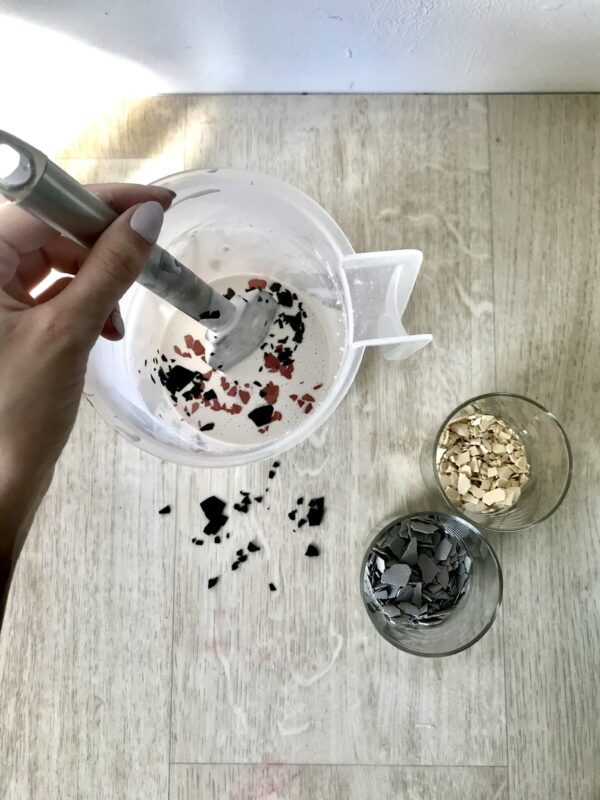
You will learn how to mix ingredients from eco-resin, which is an acrylic-gypsum composite, how to add colorful pigments and create your own “chips” from which you can create your own terrazzo.
We recommend all beginners to familiarize themselves with the offer
CREONIT polymer plaster
ATTENTION!
In the content there are phrases:
– measure require the amount of plaster,
– prepare the right amount,
– calculate the right amount of mixture,
Etc.,
This is information indicating to calculate the amount of plaster for the specific form you have. I can’t give info “prepare 100 g of the mixture when your mold has a capacity of 200 g.
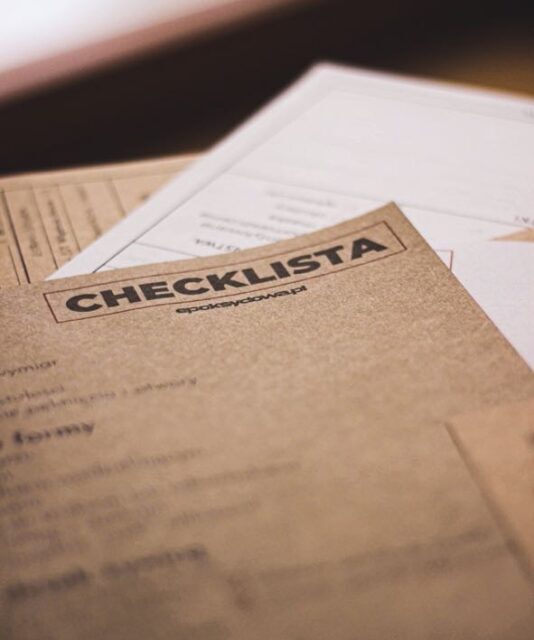
Calculate the proportions according to the manufacturer’s information on the packaging, or use our CALCULATOR.
The guide is intended to help or encourage you to play with polymer plaster, but it will not completely replace your own contribution to learning.
Read our e-book and reserve about 2 hours for yourself, and plan a space to work. Gloves, as well as an apron, will be essential in this work.
Thanks to the non-toxicity of these materials, you do not need a special, isolated workshop or a special protective mask.
TOPICS DESCRIBED IN THE GUIDE:
Beginnings of terrazzo
Materials needed
Creating your own form
Creation of terrazzo products
Other techniques for creating from gypsum
Grinding
Securing the surface
Working with this material is safe for the artist.
Format: PDF, size: a4, number of pages: 31
Polymer gypsum is an ecologically safe alternative to resin, plaster or concrete. It can be mixed with other materials such as pigments, ink, metal fillers, and even coffee for a unique finish.
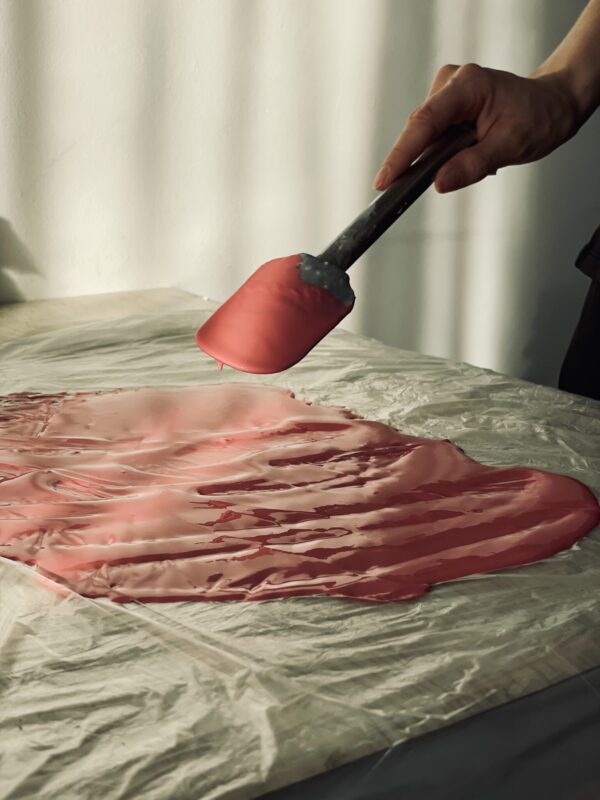
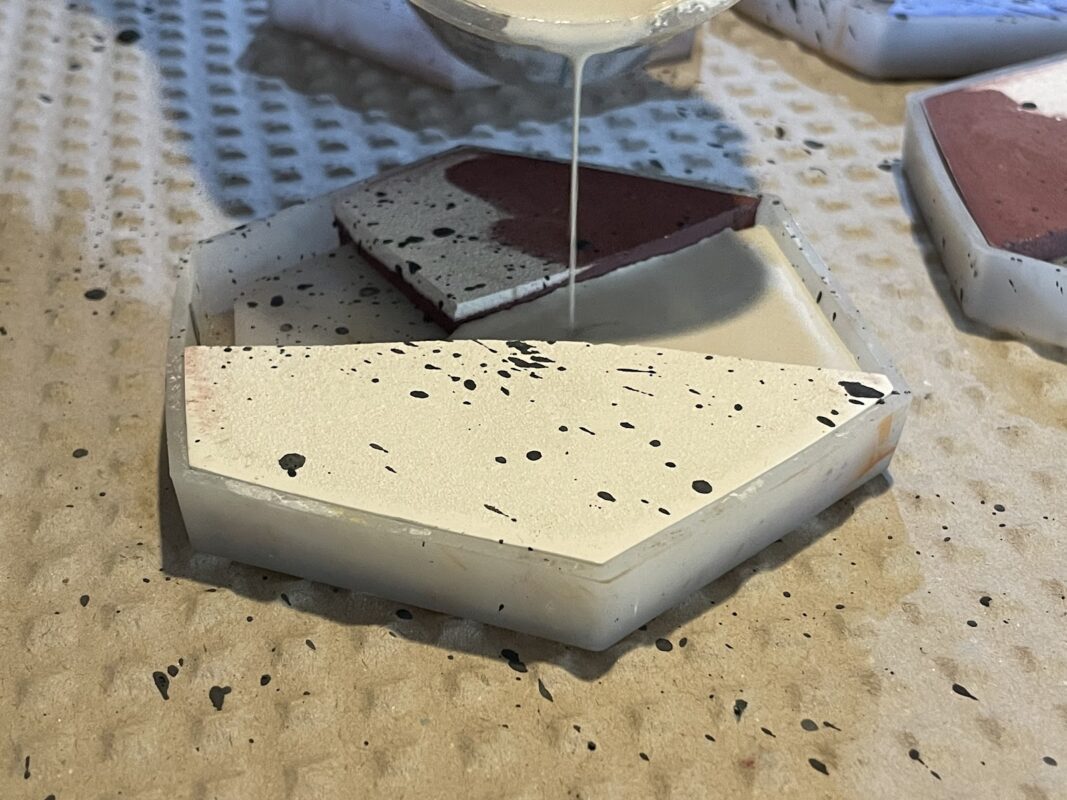
We will show you how to mix the material and how to pour it into silicone molds. But what will make it special for you is the opportunity to play and experiment with many different colors to give your work a terrazzo look. All in a much safer atmosphere than working with resin.
_________________________
Attention! The consumer does not have the right to withdraw from a distance contract in relation to contracts for the supply of digital content that is not stored on a tangible medium. This means that the e-book is non-refundable. By purchasing a product (Clicking “I order”) you agree to lose the right to withdraw from the contract.
Art. 38 The consumer does not have the right to withdraw from a contract concluded outside the premises of the company or at a distance in relation to contracts: (…) 13) to provide digital content that is not stored on a tangible medium, if the performance of the service began with the express consent of the consumer before the deadline for withdrawal from the contract and after the entrepreneur has informed him of the loss of the right of withdrawal from the contract.
Biodegradowalny, z surowców roślinnych. Sztywny i stabilny wymiarowo — do wszystkiego, co nie grzeje się i nie leży na słońcu.
Odporny na uderzenia i wilgoć, nie pęka jak PLA. Standard dla złączy i adapterów pracujących w warsztacie.
PETG z włóknem węglowym. Wyraźnie sztywniejszy i wymiarowo stabilny — tam, gdzie element nie może się ugiąć.
Odporny na UV i temperaturę. Nie żółknie i nie kruszy się na zewnątrz, więc idzie tam, gdzie ABS by odpadł.
Wytrzymały i ślizgowy. Do części, które się o siebie ocierają — prowadnic, zatrzasków, gwintów.
Elastomer. Uszczelki, tuleje i zatrzaski, które mają się wielokrotnie odkształcać i wracać do kształtu.
Bo dbanie o jakość to też wiedzieć, kiedy powiedzieć „nie”. Nie wkładamy do produktu niczego, co ma tylko obniżyć koszt albo skrócić czas druku.